
You know that moment. Indianapolis summer is in full swing, the humidity is thick enough to chew, and suddenly… your AC unit decides to quit. No cold air, just that sickening quiet, and the immediate dread of a massive repair bill hanging over your head.
Most folks panic, convinced they’re at the mercy of sky-high costs and sweltering days. But what if there are insider tricks, almost forbidden hacks, that can slash your repair costs, get your system humming faster, and keep you frosty?
These aren't your grandpa's quick fixes; these are the savvy moves smart homeowners use to outsmart summer heat and expensive surprises. If you're tired of sweating it out and ready to learn how to keep your AC running strong without breaking the bank, let's dive into some secrets the pros usually keep to themselves.
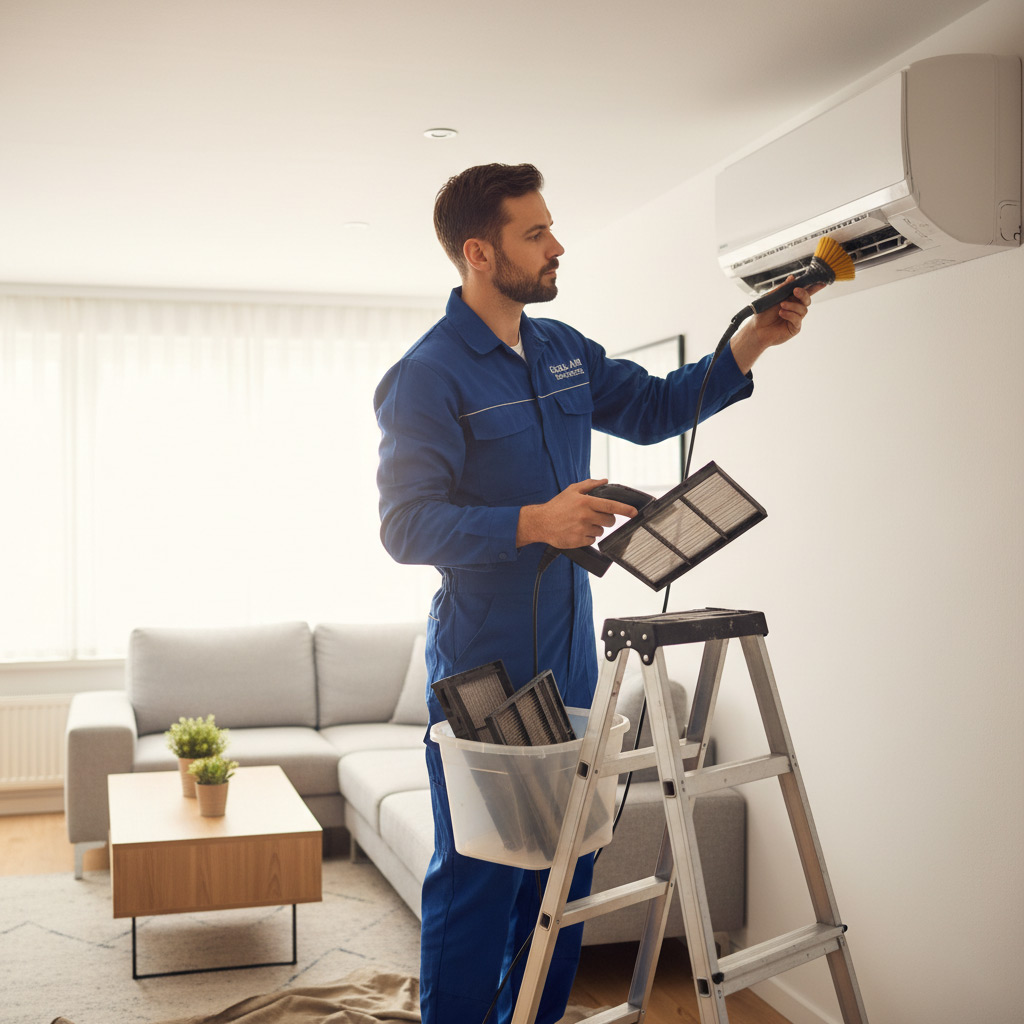
The Pre-Panic Playbook: What to Check Before Calling for Help
That initial jolt of panic when your AC dies? It's a natural reaction. But before you grab your phone and commit to a service call, take a deep breath. Many seemingly catastrophic AC failures are actually simple, easy-to-fix issues that don't require an expert (or their bill).
Think of this as your AC's emergency "pre-flight" checklist. Going through these steps can save you hundreds in diagnostic fees for problems you could have solved in minutes. We're talking about the low-hanging fruit of AC repair – the stuff pros check first, but rarely charge you for if you'd done it yourself.
Here’s where to start your investigation:
Thermostat Troubles: The Obvious Suspect
First things first, check your thermostat. Is it set to "Cool" and the temperature lower than your current room temperature? Sounds basic, but a surprising number of service calls start and end right here. Make sure it's not on "Fan Only" or "Off."
Also, check the batteries. A dead thermostat battery can completely shut down your system, making it appear dead when it's just not getting commands.
Power Plays: Confirming the Juice
Your AC unit needs power, naturally. There are two main places to check:
- The Indoor Unit (Furnace/Air Handler): Locate the switch near your furnace or air handler. It often looks like a regular light switch. Make sure it’s in the "On" position. Sometimes these get accidentally flipped.
- The Outdoor Unit (Condenser): There's usually a dedicated disconnect box mounted on the wall next to your outdoor unit. Check if the switch or fuse pull-out is firmly in place.
Breaker Basics: Reset for Relief
A tripped circuit breaker is one of the most common reasons an AC stops working. Head to your electrical panel (usually in the basement, garage, or utility closet). Look for a breaker labeled "AC," "Furnace," or "Air Handler" that's in the "Off" or middle position.
Flip it firmly to the "Off" position, then back to "On." Give your system a few minutes to reset and see if it kicks back to life. Don't underestimate this simple trick!
These initial checks take less time than brewing a cup of coffee and could mean the difference between a free fix and an expensive service call. Empower yourself, Indy! You might just be your own first line of defense against the summer heat.
Decoding Your AC's Distress Signals: Hidden Clues to Prevent Major Breakdowns
Your AC unit isn't just a silent workhorse; it’s actually a chatterbox, constantly sending out signals. Most homeowners miss these subtle hints until disaster strikes. But here's the truth: understanding these "distress calls" is one of the most powerful forbidden hacks to catch small problems before they morph into wallet-emptying catastrophes.
Listen closely. Is your system rattling like a loose screw? That could mean a fan motor bearing is failing, or even worse, a loose component heading for a breakdown. Hearing a persistent hiss or bubbling? That's often a tell-tale sign of a refrigerant leak, which not only robs you of cool air but also stresses your compressor.
What Your AC is Trying to Tell You:
- Screeching or Squealing: Worn fan belts or motor bearings demanding attention.
- Grinding: Serious motor issues. Don't ignore this.
- Hissing/Bubbling: Likely a refrigerant leak. Performance will drop fast.
- Musty Odors: Mold or mildew in your evaporator coil or ductwork. Bad for air quality, too.
- Burning Smell: Electrical component overheating. This needs immediate shutdown and a professional look.
Beyond the Filter: Pro-Level Maintenance Hacks Every Homeowner Needs
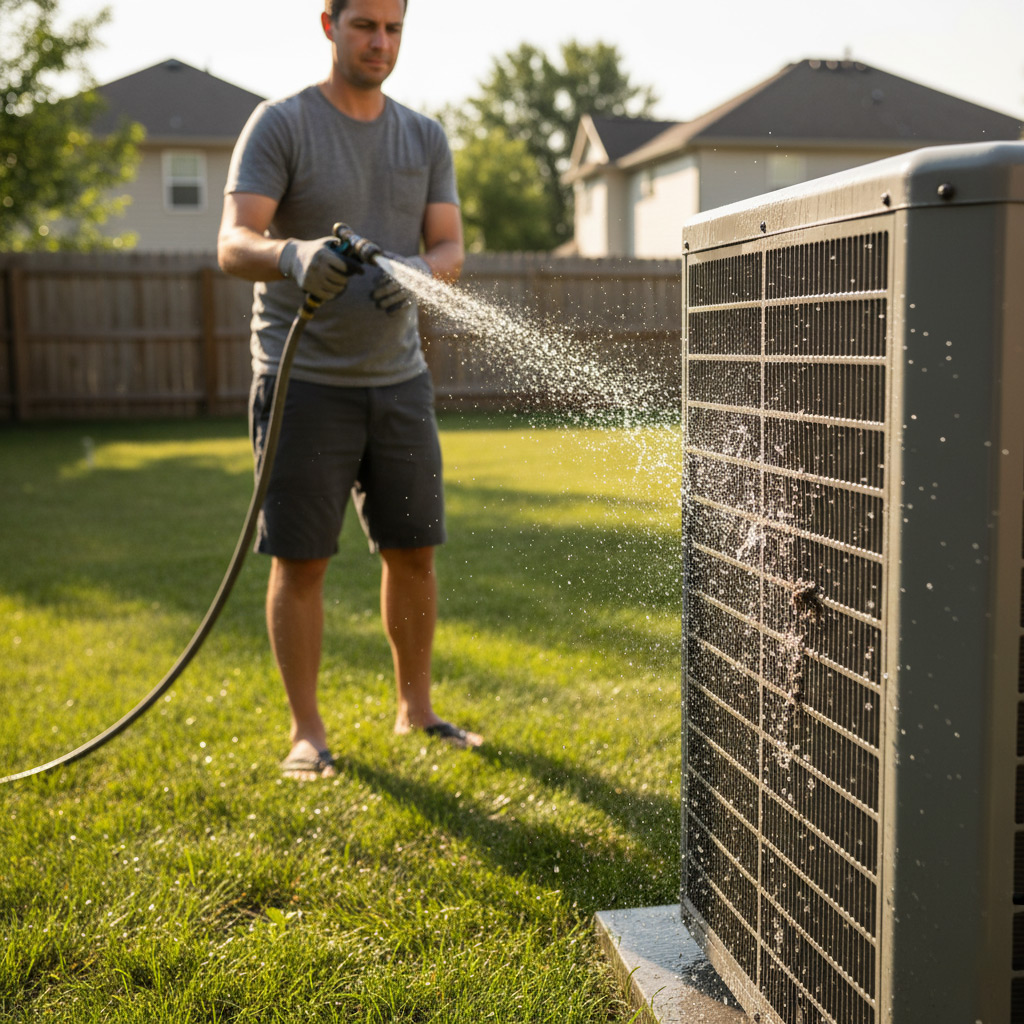
Most folks know to swap the air filter, right? But the true secret to keeping your AC from chugging comes down to those outdoor coils. Your condenser unit is practically a magnet for dirt, leaves, and pet hair, suffocating its ability to release heat. This is where you can make a real difference.
Outsmarting the Outdoor Unit
-
Gentle Coil Rinse: Grab a garden hose – gently, mind you, don't blast it – and rinse those condenser fins clean from the inside out. This simple act drastically improves heat exchange and stops your compressor from working overtime, saving you cash.
-
Clear the Clutter: Ensure at least two feet of clear space around your outdoor unit. Overgrown shrubs or stacked items restrict airflow, forcing your AC to work harder and reducing its lifespan.
Now, let's talk about the indoor part of the magic: the evaporator coil. While you likely won't be hosing this down yourself, keeping its environment clean is crucial. More importantly, pay attention to the condensate drain line. It's notorious for clogging with algae and sludge, turning your AC into a swimming pool in your attic or basement, leading to costly water damage and shut-offs.
Your DIY Drain Line Defense
-
Vinegar Flush: Every few months, pour a cup of distilled white vinegar down the condensate drain line access point. This simple flush can prevent nasty clogs and keep the water flowing freely.
-
Refrigerant Line Watch: Keep an eye on those refrigerant lines coming out of your outdoor unit. If you see ice forming, that's a red flag screaming for professional attention, hinting at anything from low refrigerant to airflow issues. Don't ignore it.
Finally, optimize your thermostat; it's the brain of the operation. Learn to program it for maximum savings, leveraging those cooler nighttime temps in Indy and letting it relax when you're not home. A smart thermostat, properly set, is your silent savings partner, quietly cutting your utility bills without you lifting a finger.
Your HVAC Ally: Insider Tips for Choosing the Right Indianapolis AC Repair Pro
Alright, you’ve checked everything you can, and it’s clear: you need a pro. But here's where many homeowners stumble, turning a solvable problem into a larger headache. Picking the wrong AC repair company in Indianapolis isn't just a minor inconvenience; it can lead to shoddy work, repeated breakdowns, and ultimately, more expense.
You need someone who genuinely knows their stuff and won’t just slap a band-aid on the problem. This isn't the time to gamble with your indoor comfort during peak Indy summer heat.
Vetting Your AC Repair Partner: What to Demand
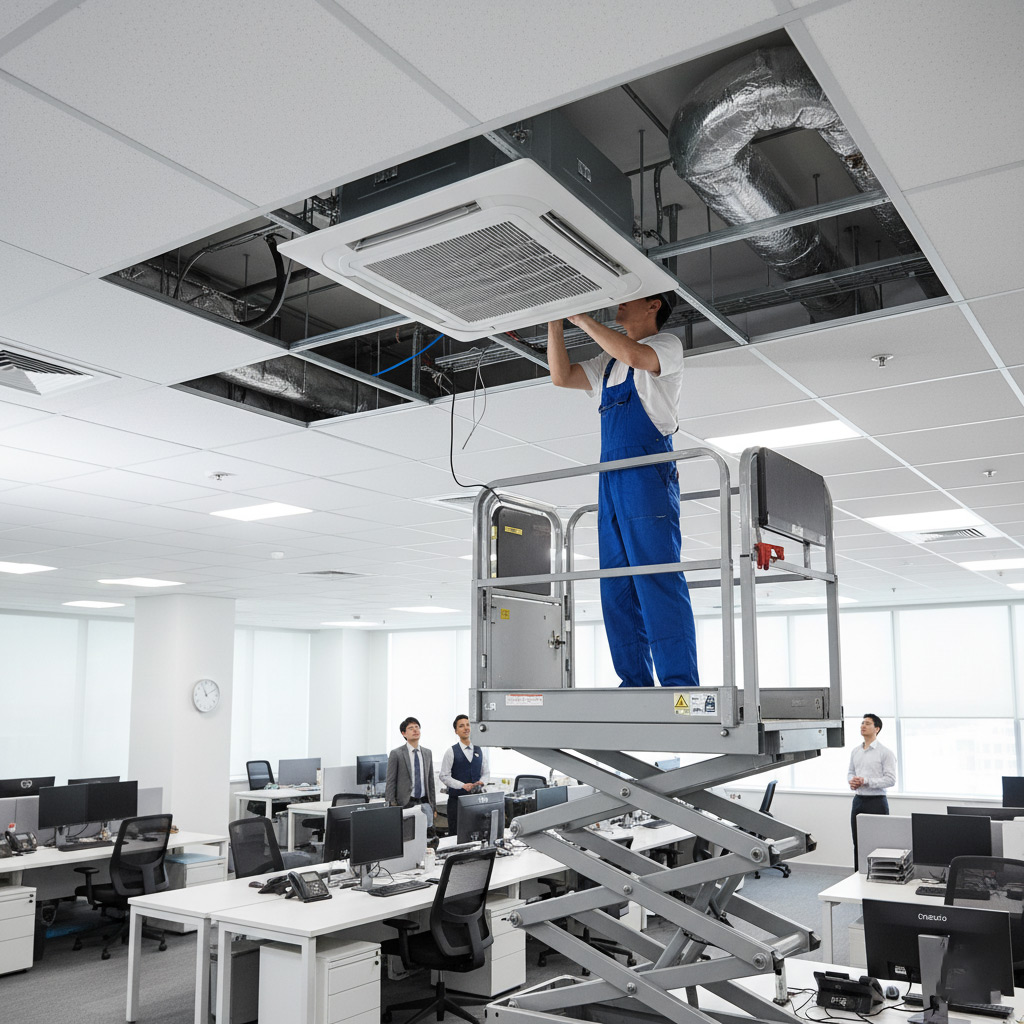
Case Study: Rescuing a Summer from Disaster – An Indy AC Repair Success Story
Picture this: it’s late July, temperatures are pushing 95 degrees, and the humidity in Indianapolis is just brutal. That’s exactly what the Thompson family in Carmel faced when their AC suddenly gave out, spewing only warm air. Their first thought? A complete system replacement, costing a fortune and taking days.
Instead of panicking, Mrs. Thompson remembered some of the initial checks we’d shared. She tried a few simple resets and confirmed a lack of power to the outdoor unit. When our technician arrived, armed with her pre-check information, he quickly narrowed down the issue to a failing capacitor – a relatively minor part. This wasn't a hidden hack in itself, but her informed actions saved crucial diagnostic time.
The repair was swift, and within an hour, their home was chilling down. The best part? Not only did they avoid a full system replacement, but our technician also noticed their outdoor unit was slightly off-level, leading to potential future compressor strain. A quick adjustment, a new capacitor, and the Thompsons were back to enjoying their summer, proving that a little homeowner insight combined with expert repair makes all the difference for cost-effective cool air.
Future-Proofing Your Cool: Strategic Upgrades & Habits for Long-Term Savings
Sure, getting your AC fixed is key for immediate relief. But what if you could make that fix last longer and even pay you back? We're talking about smart, strategic moves that turn your HVAC system into a money-saving, comfort-producing machine, not just another utility drain.
Invest Smart: Upgrades That Pay Off
Think beyond just patching things up. Consider upgrades that dramatically cut your energy bills and boost your system's lifespan. We're talking about things like a smart thermostat, which learns your habits and adjusts temps automatically, saving you serious cash. Or, if your unit is nearing its golden years, upgrading to a higher SEER-rated, energy-efficient model might seem like a big upfront cost, but the long-term savings in Indianapolis summers are staggering. Seriously, it's like putting money back in your pocket every single month.
The Daily Grind: Habits for Lasting Chill
Even small habits make a huge difference in how long your AC lasts and how much it costs to run. Here are a few "unspoken rules" that keep the cool flowing:
- Regular Tune-Ups: An annual professional check-up isn't just a suggestion; it's preventative medicine for your AC. Catching small issues early means avoiding catastrophic failures later.
- Seal and Insulate: Your AC works harder if your home is leaking air like a sieve. Check around windows, doors, and especially ductwork for leaks. Good insulation is your first line of defense against Indy's heat.
- Smart Shade: Planting shade trees or installing awnings can keep direct sun off your outdoor unit and windows. Less sun means less heat entering your home, which means less work for your AC.
- Fan Integration: Use ceiling fans in conjunction with your AC. They create a wind-chill effect, allowing you to set your thermostat a few degrees higher without sacrificing comfort.
Embracing these strategies isn't just about avoiding the next breakdown. It's about taking control of your home comfort and your budget. It's about staying cool and comfortable through every single Indianapolis summer, without the financial dread.
Final Words: Embrace the Chill, Outsmart the Heat.
You’ve journeyed through the playbook, uncovered the signals, and even peeked behind the curtain at pro maintenance moves. This isn't just theory; it’s your personal arsenal against Indianapolis summer's worst surprises.
Remember, the true power isn't in knowing these secrets, but in applying them. A quick check, a routine cleaning, or simply knowing when to call the right pro can save you hundreds, even thousands, and countless uncomfortable nights. It's about proactive defense, not reactive panic.
So, stop sweating the small stuff—and the big stuff. Take control of your home's comfort. With these forbidden hacks, you're not just fixing an AC; you're securing your peace of mind and beating Indy's heat on your terms. For any repair needs, remember to visit our Air Conditioner Repair services.
People Also Ask
What are the first steps to take if my AC stops cooling on a hot Indy day?
Before calling for service, check your thermostat settings to ensure it's on "cool" and the fan is set to "auto." Also, verify that your circuit breaker hasn't tripped and the outdoor unit (condenser) isn't blocked by debris, as these are common quick fixes.How often should I change my AC filter to prevent breakdowns?
For optimal performance and to prevent breakdowns, an AC filter should typically be changed every 1-3 months, especially during peak cooling season in Indianapolis. A dirty filter significantly restricts airflow, making your unit work harder and less efficiently.What are some early warning signs that my AC needs professional repair?
Listen for unusual noises like grinding or hissing, or notice strange odors such as a burning smell or mustiness. Uneven cooling across rooms or a sudden spike in your energy bills can also indicate underlying issues that require a technician's expertise.How can I choose a trustworthy AC repair company in Indianapolis?
Look for companies with strong local reputations, certified technicians, and clear, upfront pricing. Check online reviews, ask for references, and ensure they are licensed and insured to protect yourself and guarantee quality service.Can minor AC issues lead to bigger, more expensive problems if ignored?
Absolutely. Small problems like refrigerant leaks, dirty coils, or minor electrical glitches can escalate quickly, causing significant damage to the compressor or other vital components. Addressing issues promptly can save you from costly major repairs or even system replacement down the line.
Indianapolis HVAC offers years of dedicated experience in comprehensive heating and cooling solutions. Their skilled technicians understand the specific needs and climate challenges for properties across Indianapolis, IN. They are committed to providing reliable service and professional expertise to the local community.
Need HVAC?
We deliver prompt and effective solutions to address your needs across Indianapolis and nearby areas (46204, 46205, 46219, 46220, 46227), ensuring quick outcomes and efficient operations.
Get Service Quote